Signs of TMJ Disorder and How It's Treated
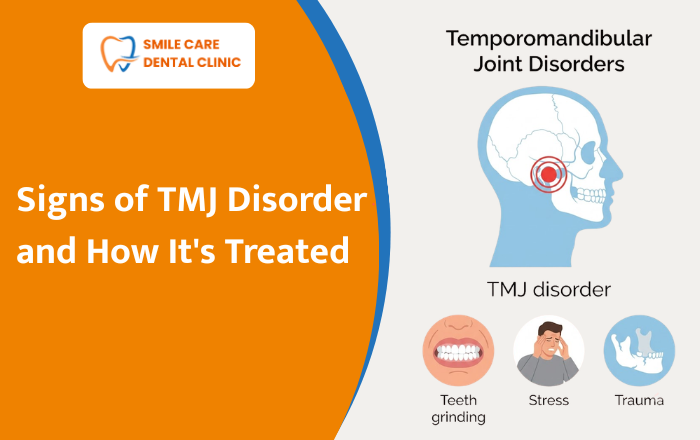
Jaw pain, clicking sounds while eating, difficulty opening your mouth, or frequent headaches may sometimes be related to a problem with the temporomandibular joint, commonly called the TMJ. This joint connects your lower jaw to your skull and helps you chew, speak, yawn, and move your mouth.
TMJ disorder refers to problems affecting the jaw joint and the surrounding muscles. Symptoms can range from mild jaw discomfort to pain that interferes with eating, speaking, or daily activities. The right treatment depends on the underlying cause and severity of the condition.
If you are experiencing persistent jaw pain or other symptoms of TMJ disorder, a dental evaluation can help identify the cause and determine suitable treatment options.
What Is TMJ Disorder?
The temporomandibular joints are located on both sides of your face, just in front of your ears. They work together with muscles and other structures to control jaw movement.
TMJ disorder, also called temporomandibular disorder (TMD), can occur when the joint, jaw muscles, or surrounding structures are not functioning normally.
The condition may develop due to several factors, including teeth grinding, jaw injury, arthritis, stress-related muscle tension, or problems with how the teeth and jaw come together.
Signs of TMJ Disorder
The symptoms of TMJ disorder can vary from person to person. Some people experience occasional discomfort, while others may have persistent symptoms.
Common signs include:
1. Jaw Pain or Tenderness
Pain around the jaw joint is one of the most common symptoms. You may notice discomfort while chewing, talking, yawning, or opening your mouth widely.
The pain may also be felt around the cheek, temple, or side of the face.
2. Clicking or Popping Sounds
A clicking, popping, or grating sound when opening or closing your mouth can be associated with TMJ problems.
A painless click does not always mean that treatment is required. However, clicking accompanied by pain, limited movement, or locking of the jaw should be evaluated by a dental professional.
3. Difficulty Opening or Closing the Mouth
Some people with TMJ disorder may feel that their jaw does not open as widely as it normally does. In some cases, the jaw may temporarily lock in an open or closed position.
4. Headaches and Facial Pain
Jaw muscle tension can sometimes contribute to headaches, particularly around the temples. Facial or ear-area discomfort may also occur.
Because headaches and facial pain can have many possible causes, they should not automatically be assumed to be caused by TMJ disorder.
5. Ear-Related Symptoms
Some people with TMD experience pain around the ear, a feeling of pressure, or ringing in the ears. These symptoms can also occur with several other conditions, so proper evaluation is important.
6. Changes in the Way Your Teeth Fit Together
You may notice that your bite feels different or that your upper and lower teeth no longer meet in the usual way. This can sometimes occur alongside TMJ problems.
What Causes TMJ Disorder?
There is not always one single cause. TMJ disorder may be associated with one or more factors, such as:
- Teeth grinding or clenching, especially during sleep
- Jaw or facial injury
- Arthritis affecting the jaw joint
- Muscle tension around the jaw
- Prolonged stress that contributes to jaw clenching
- Certain problems involving the jaw joint or disc
- Changes in the way the teeth or jaw function together
Not everyone who grinds or clenches their teeth develops TMD, and having one risk factor does not necessarily mean you will develop the condition.
How Is TMJ Disorder Treated?
TMJ disorder treatment depends on the cause, symptoms, and severity of the condition. Many cases can initially be managed with conservative approaches rather than invasive procedures.
Treatment may include:
Lifestyle and Self-Care Measures
Your dentist may recommend temporarily avoiding foods that require excessive chewing, such as very hard or chewy foods. Eating softer foods and avoiding unnecessary wide opening of the mouth may reduce strain on the joint.
Warm or cold applications may also be suggested depending on the symptoms.
Managing Teeth Clenching and Grinding
If clenching or grinding is contributing to symptoms, addressing the underlying habit may be part of treatment. In selected cases, a dentist may recommend an oral appliance such as a night guard.
A professionally evaluated appliance is preferable to choosing a device without dental assessment, as the appropriate type depends on the individual's condition.
Dental Treatment
If the symptoms are associated with a dental problem, your dentist may recommend appropriate dental treatment. The treatment should be based on an examination rather than assuming that changes to the bite will resolve every TMJ problem.
Physiotherapy and Jaw Exercises
Some people may benefit from physiotherapy, stretching, or exercises designed to improve jaw movement and reduce muscle tension. These should be performed according to professional guidance, particularly when pain or restricted movement is present.
Other Treatments
When symptoms are persistent or severe, a dentist or appropriate specialist may consider additional treatment options depending on the specific diagnosis. More invasive procedures are generally considered only when clinically indicated.
When Should You Consult a Dentist?
Consider scheduling a dental evaluation if you have:
- Persistent jaw pain or tenderness
- Pain while chewing or speaking
- Repeated jaw clicking accompanied by pain
- Difficulty opening or closing your mouth
- Jaw locking
- Frequent jaw-related headaches or facial pain
- Symptoms that are getting worse or affecting daily activities
- A noticeable change in your bite
Sudden or severe facial pain, significant swelling, trauma, or an inability to open or close the mouth normally may require prompt medical or dental assessment.
Frequently Asked Questions
Q1. Is TMJ disorder serious?
TMJ disorder is not always serious, and symptoms can vary considerably. However, persistent pain, jaw locking, restricted movement, or worsening symptoms should be evaluated by a dental professional.
Q2. Can TMJ disorder go away on its own?
Some mild TMD symptoms may improve with simple measures such as reducing jaw strain and avoiding excessive chewing. If symptoms persist or return frequently, professional evaluation can help determine the underlying cause.
Q3. Is jaw clicking always a sign of TMJ disorder?
No. Clicking or popping without pain or restricted movement can occur in people without significant TMJ problems. However, painful clicking, locking, or difficulty moving the jaw should be assessed.
Q4. Can teeth grinding cause TMJ problems?
Teeth grinding and jaw clenching can place additional stress on the jaw muscles and joint and may contribute to TMD symptoms in some people. Treatment depends on the individual situation.
Concerned About TMJ Symptoms? Book a Dental Consultation
The signs of TMJ disorder can include jaw pain, clicking or popping, difficulty opening the mouth, headaches, facial discomfort, and jaw locking. Since these symptoms can have several possible causes, an accurate dental evaluation is important before deciding on treatment.
Smile Care Dental Clinic for a comprehensive dental evaluation and personalized treatment plan. Led by Dr. Umesh Tambe (BDS), the clinic offers expert care for Full Mouth RehabilitationTreatment for TMJ disorder may involve lifestyle changes, managing teeth grinding or clenching, oral appliances, dental care, physiotherapy, or other approaches depending on the individual's condition.
If you are experiencing persistent jaw discomfort or symptoms that are affecting eating or daily activities, consider consulting a qualified dentist for an appropriate evaluation.
If you are looking for TMJ disorder evaluation and dental care in Airoli, Navi Mumbai,Smile Care Dental Clinic, led by Dr. Umesh Tambe, with over 18+ years of experience, provides dental consultation at its clinic in Airoli. A professional assessment can help determine whether your symptoms may be related to the TMJ and what treatment options may be appropriate for your condition.
Designed & Developed by DMX Digital Google Partner