Tooth Pain at Night? Causes & When to See a Dentist
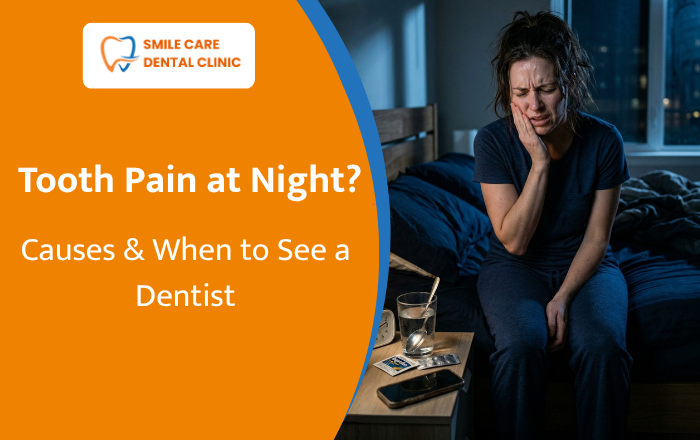
It's 2 AM. You're staring at the ceiling, and your tooth is throbbing so badly you can't sleep. You've tried adjusting your pillow, drinking water, and even just hoping it goes away, but the tooth pain at night keeps getting worse. You're not alone. Nighttime toothache is one of the most common reasons people search for emergency dental help. The good news? Understanding why it happens and what to do about it can help you get through the night and make sure it never happens again.
Why Does Tooth Pain Get Worse at Night?
Ever noticed that your toothache at night feels far more intense than the same tooth during the day? There's a real reason for this.
When you lie down, blood flow increases to your head and face. This added pressure pushes against already inflamed nerves inside the tooth, making the pain feel sharper and more intense. During the day, you're upright, moving around, and distracted by work or daily tasks — so your brain naturally reduces how much pain you notice. At night, with nothing else to focus on, that dull ache turns into a full-on throb.
Many people also unknowingly grind their teeth (a condition called bruxism) while they sleep, putting extra pressure on already sensitive teeth and making nighttime tooth pain significantly worse by morning.
7 Common Causes of Tooth Pain at Night
Understanding what's behind your tooth pain can help you figure out how urgent the situation really is.
- 1. Tooth decay and cavities — Untreated cavities expose the inner layers of your tooth to bacteria and temperature changes, triggering a sharp or aching toothache at night.
- 2. Cracked tooth — A crack can be invisible to the eye but extremely painful, especially when you bite down or when the temperature changes in your mouth.
- 3. Gum disease — Inflamed, infected gums don't just bleed — they cause a deep, persistent ache that often flares up when you're lying still.
- 4. Dental abscess — This is a bacterial infection at the root of the tooth. It causes severe, throbbing tooth pain at night and is considered a dental emergency.
- 5. Tooth sensitivity — Worn enamel or exposed roots can cause sharp pain triggered by cold air, food, or even breathing through your mouth at night.
- 6. Wisdom tooth problems — An erupting or impacted wisdom tooth puts pressure on surrounding teeth, causing a dull, nagging ache that worsens at night.
- 7. TMJ disorder — Jaw joint problems can mimic nighttime tooth pain, often felt as a deep ache around the back teeth or jaw area.
5 Home Remedies for Temporary Relief
These won't fix the problem, but they can help you get through the night until you see a dentist.
- Ibuprofen or paracetamol — A standard dose of an over-the-counter pain reliever can reduce inflammation and take the edge off severe pain.
- Clove oil — Dab a small amount on the affected tooth using a cotton ball. Clove contains eugenol, a natural numbing compound that has been used for tooth nerve pain relief for centuries.
- Saltwater rinse — Mix half a teaspoon of salt into a glass of warm water and swish gently. This helps reduce bacteria and calm irritated gum tissue.
- Cold compress — Hold an ice pack (wrapped in a cloth) against your cheek for 15–20 minutes to reduce swelling and numb the area.
- Elevate your head — Sleeping with an extra pillow so your head is raised reduces blood pressure around the tooth and can noticeably reduce throbbing.
These are temporary measures only. They manage pain, but they do not treat the cause.
Warning Signs You Should Never Ignore
Some symptoms mean you need to see a dentist for tooth pain without delay, don't wait for a regular appointment.
- Fever alongside tooth pain (signals spreading infection)
- Swelling in your face, jaw, or neck
- Pus, discharge, or a bad taste that doesn't go away
- Pain so severe that you cannot eat, speak, or sleep
- Pain that hasn't improved after 2 days of home care
A dental abscess, in particular, can spread to your jaw, throat, and neck if left untreated. This is a medical emergency.
How to Prevent Tooth Pain from Ruining Your Sleep Again
The most effective way to avoid tooth pain at night in the future is simple, consistent care:
- Brush twice daily with a soft-bristle toothbrush and fluoride toothpaste
- Floss every night to remove food and bacteria between teeth
- Cut down on sugary snacks and acidic drinks, especially before bed
- Visit your dentist every 6 months — most tooth pain causes, like decay and gum disease, are completely preventable when caught early
- If you grind your teeth, ask your dentist about a night guard
Don't Let Tooth Pain Steal Another Night's Sleep
Tooth pain that keeps you awake night after night is your body telling you something is wrong and it deserves proper attention. Smile Care Dental Clinic in Airoli, led by Dr. Umesh Tambe (B.D.S.), is a trusted name for tooth pain treatment in Airoli. Whether the pain is from a cavity, a cracked tooth, gum disease, or a dental abscess, Dr. Tambe takes the time to find the exact cause and provide the right treatment so you can get back to sleeping comfortably without pain.
📍 Visit Smile Care Dental Clinic, Airoli — Book your appointment today.
FAQ
Q1: Why is my toothache worse at night?
Lying down increases blood pressure around the tooth, and fewer distractions make pain feel more intense.
Q2: Can tooth pain go away on its own?
Minor sensitivity might settle, but pain from decay, infection, or a cracked tooth needs dental treatment.
Q3: Is nighttime tooth pain an emergency?
If you have fever, swelling, or severe pain that doesn't stop, yes — see a dentist immediately.
Designed & Developed by DMX Digital Google Partner